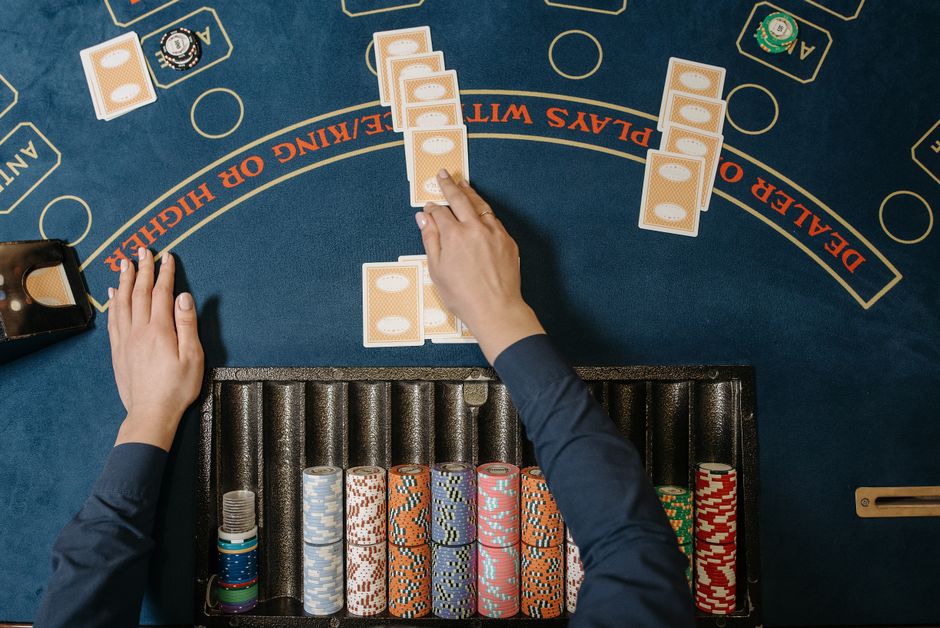
Every regulated online casino in the world runs on the same boring math. The house edge exists, it never sleeps, and it quietly grinds your bankroll down over time if you let it. So why do some players walk away with stories while others quietly reload for the fourth time this month? The gap rarely comes down to luck. It comes down to knowing a handful of mechanical truths about how these games are built, priced, and tilted in the operator's favor. Let's talk about the ones that actually matter.
Slots: Volatility Matters More Than RTP
Ask ten slot players what they check first on a game's info page, and nine will say RTP. Return to player is the number everyone quotes, usually sitting somewhere between 94% and 97% on regulated titles. It's a useful figure because it tells you the long-run cost of playing, but it's also the most misunderstood stat in the entire industry.
A 96% RTP slots game doesn't return 96 cents per dollar you spend. It returns 96% of all money wagered across millions of spins, sometimes over years. In a single session, that number is essentially meaningless. What actually shapes your experience is variance, or volatility, and it's wild how little attention it gets.
- Low volatility slots: frequent but small wins. Think 10 to 20 cent returns on a 50 cent spin. Great for grinding, terrible if you're chasing a five-figure hit.
- Medium volatility: the middle ground. Bonuses land occasionally, base game wins feel worth the spin, and your bankroll stretches a decent amount of time.
- High volatility: brutal dry spells, but the top prizes can pay 5,000x or even 50,000x your stake. Titles like Book of Dead or San Quentin sit firmly in this camp.
Here's the practical takeaway: match volatility to your bankroll, not your mood. If you've got $40 and an hour to kill, a high volatility slot will eat you alive. Put that same $40 into a low volatility slot and you'll actually be playing when your bus arrives.
Bonus Wagering Requirements Are the Real House Edge
Welcome bonuses are the gateway drug of iGaming. "Deposit $20, get $200" sounds incredible until you read the terms page and find a 40x wagering requirement attached to a bonus with a maximum cashout cap.
Run the math on a typical offer. You deposit $50, get a $50 bonus, and face a 35x wagering requirement on the bonus alone. That's $1,750 you need to wager before you can withdraw a cent. If you're playing a slot with a 96% RTP, the expected loss on that volume is roughly $70. You started with $100 combined, and the bonus contributed half of it. Suddenly that "free" money is a loan with interest.
Not all bonuses are traps, though. The ones worth taking usually share a few traits:
- Wagering requirements of 30x or lower on the bonus amount only.
- No maximum cashout cap, or a cap that's at least 10x your bonus.
- Slot contributions of 100% toward wagering (many sites count table games at 10% or exclude them entirely).
- A reasonable expiry window, ideally 14 days or more.
Skip anything labeled "sticky bonus" unless you fully understand it. You can't withdraw a sticky bonus, and your real money gets eaten first.
Poker: Your Win Rate Comes From Position, Not Hole Cards
New players spend hours memorizing starting hand charts. That's fine, but it's the wrong first lesson. The single biggest factor in your long-term poker win rate is where you're sitting relative to the button, and how aggressively you exploit that position. Some of the clearest guidance on this comes from mahjong ways.
From the button, you act last on every post-flop street. You get to see what everyone does before you commit chips. That information advantage translates directly to profit. Poker tracker databases of millions of hands consistently show players winning at double the rate from the button compared to the cutoff, and the difference grows further against early positions.
Practical adjustment: play tighter from early position, open wider from late position, and steal blinds more aggressively than feels comfortable. If you're playing six-max cash games, your button range should be close to 40% of hands, while your under-the-gun range should hover around 12% to 15%.
The other thing nobody mentions: game selection beats hand selection. A good player at a tough table will lose money to a mediocre player at a soft one. Scope the lobby, look for tables with high flop-seen percentages, and don't be precious about your ego.
Sportsbook Margins Are Hidden in Plain Sight
Betting on a 50/50 coin-flip style market should pay around 2.00 decimal odds on both sides. Instead, you'll see 1.91 on each side. That gap is the vig, or overround, and it's how bookmakers make money regardless of the outcome.
That 1.91/1.91 line equals roughly 4.7% theoretical margin for the house. On a -110 American odds line, the implied probability of each side is 52.4%, meaning the book prices in a total of 104.8%. The extra 4.8% is their cut.
What this means practically: if you bet randomly, you lose around 4 to 5 cents per dollar wagered over the long run. To beat that margin, you need genuine edge, whether through sharp information, line shopping across multiple books, or exploiting soft bonuses and promotions.
Line shopping alone can return 2% to 3% of your handle annually if you're disciplined. It sounds small until you apply it to any kind of real volume.
Bankroll Management Outperforms Every Strategy
You can have a perfect slots strategy, a solid poker range chart, and a sharp sports model. None of it matters if you break your bankroll in a weekend because you tilted after a bad beat.
A workable framework looks like this:
- Slots: 200 to 300 betting units per session. If your spin size is $1, bring at least $200 dedicated to that session, ideally $300.
- Poker cash: 20 buy-ins for the stake you're playing. At $1/$2 with a $200 max buy-in, that's $4,000 minimum to play comfortably.
- Sports betting: cap individual bets at 1% to 2% of your bankroll, and never chase a losing day with a double-up.
The pros don't win because they hit more 10x multiplier slots. They win because they never go to zero, which is what lets compounding and variance work in their favor instead of against it.
A Final Word On Enjoyment
iGaming's real test isn't whether you understand every RTP figure or wagering clause. It's whether you can treat the whole thing as entertainment with a known cost, not a system to beat. The math is fixed. Your decisions inside that framework are the only variable you actually control, and they're worth more than any hot streak. Play slow, play informed, and if a game stops being fun, close the tab before the reels get their next spin. That single habit puts you ahead of roughly 80% of everyone else logging in tonight.