Arrive at Marsh Haven at two on a bright June afternoon and you will see water, reeds and a great deal of sky. Arrive at half past four the same morning and it is a different place altogether: mist sitting on the pools, a chorus you cannot pick apart, and birds moving in the half-light before the car park has filled. The wildlife is here all day. Your chances of seeing and hearing it are not.
Three things decide how much you get from a visit: light, tide and the habits of the animals themselves. Line those up and even a short trip feels generous.
Light does most of the work
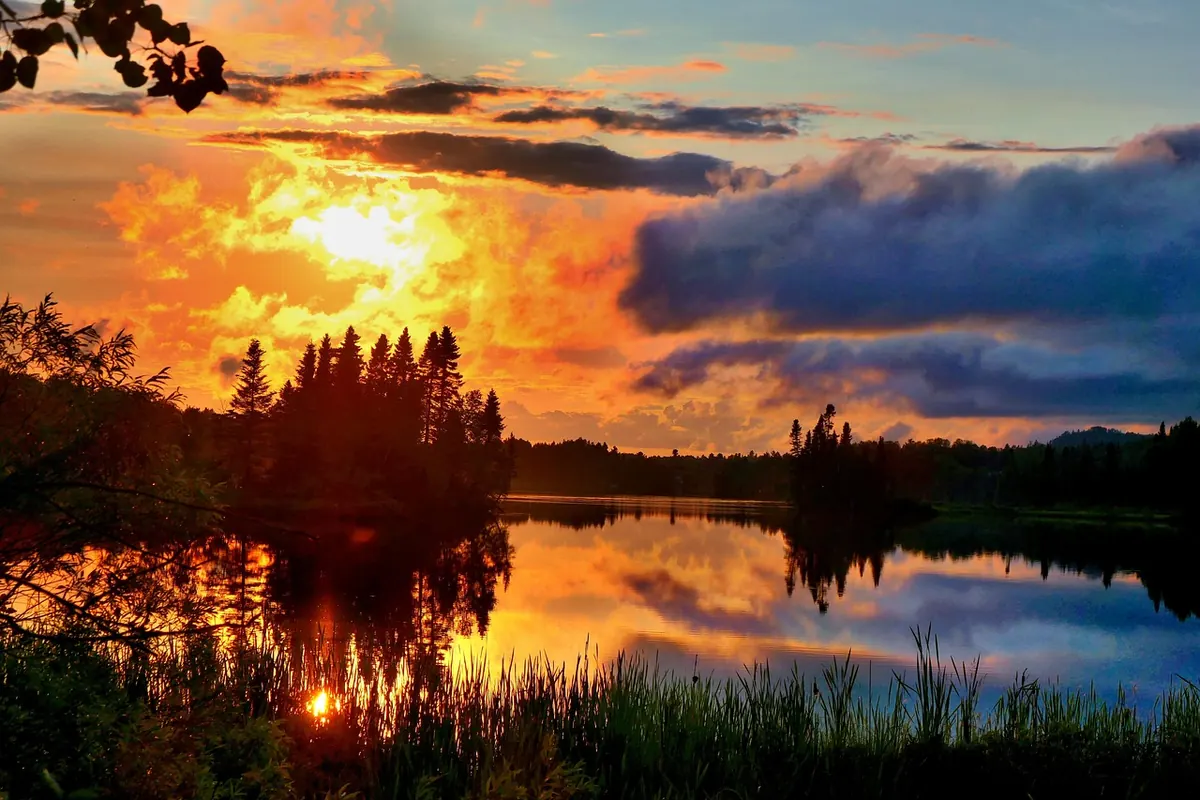
For the first hour after sunrise and the last hour before sunset, the sun sits low in the sky. Light arrives sideways, so it catches the texture of reed stems, rims the wings of a passing harrier and gives an ordinary-looking pool real depth. On still mornings mist rises off warmer water, which helps in two ways: the surface settles to a mirror, and birds show up as clear shapes against a pale background.
By midday the same scene flattens. Sun overhead kills the shadows, glare bounces off the water, and many birds simply sit tight in cover until the heat eases. You will still see things, but you will work harder for them. If your only free time is an afternoon, take it, and spend it in a hide overlooking open water rather than walking the whole site.
Dawn is when the day gets decided
Birds are at their most vocal and most mobile in the hour either side of sunrise. Territory is being claimed, mates are being found and overnight roosts are emptying. In spring and early summer the reedbeds are loudest: reed warbler, sedge warbler, Cetti's warbler and, with patience, the low boom of a bittern. Later in the year the same hour is quieter but no less useful, because birds feed hard before the day warms up.
What to do with the first half hour
Stand still. Find a spot on the edge of the reedbed or in a hide facing east and listen for five minutes before you move on. Sound carries further when the air is still, which is another reason dawn beats the afternoon: mornings are usually the least windy part of the day, so calls travel and reflections hold.
What to watch for
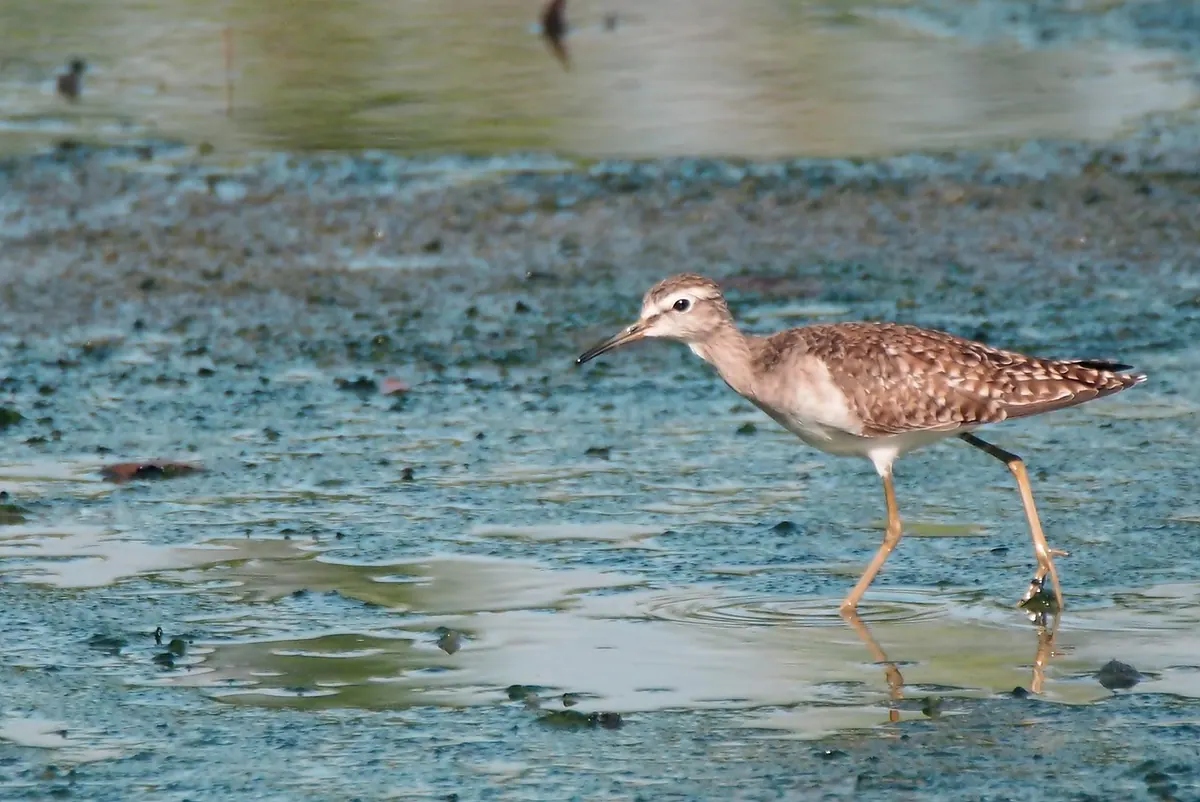
Marsh harriers leaving a communal roost, little egrets shifting between pools, ducks and geese moving as a group, waders dropping in to feed. Look for silhouettes as much as colour. At dawn, shape and flight pattern are largely what you have, and they are usually enough.
Dusk runs on a different cast
The evening shift swaps the performers. As the light goes, barn owls begin hunting over rough grass, bats take insects above open water, and otters become far more likely than they are at noon. Water voles plop, water rails squeal from the reeds, and in winter starlings funnel into the reedbed in a murmuration that ends abruptly, as if someone closed a door.
Dusk also rewards patience differently. You are not waiting for the light to improve; you are watching it go, and letting sound take up the slack. Bigger flocks of wildfowl coming in to roost, snipe feeding on soft ground, the first tawny owl of the evening. Stay in one good spot rather than walking the paths, and let the birds come to you.
Tides decide where the birds are
On a wetland with a tidal reach, the tide matters as much as the light. Roughly every twelve and a half hours the water rises and falls, and each stage suits a different kind of watching.
- High tide. Mudflats disappear, so waders gather in tight roosts on islands, scrapes and higher ground. You get concentrated numbers and close views, but little feeding behaviour.
- Falling tide, first two hours. Fresh mud is exposed and birds spread out to feed. Expect smaller groups, more action and far more interesting behaviour: probing, squabbling, courtship.
- Low tide. Birds are scattered over a wide area. Excellent with a telescope, harder work if you are still learning your waders.
- The flood, about two hours before high water. A good compromise, as birds are pushed back towards the reserve and often feed close to the hides on the way in.
The best windows combine tide and light. A high tide falling within an hour or so of sunrise, or the start of the flood at dusk, is worth rearranging a morning for. Check the tide table before you travel, and read it alongside sunrise and sunset rather than on its own.
Putting a visit together
A dawn visit, step by step:
- Check sunrise, the tide and the forecast the night before. Clear, still mornings with a touch of mist are usually the best.
- Arrive about thirty minutes before sunrise, so you have time to park, dress and walk in without hurrying.
- Choose one spot for the first hour: reedbed edge facing east at dawn, open water and rough grass at dusk.
- Listen for five minutes before you start scanning, then work slowly from the near margin outwards.
- Stay for the hour after sunrise. Activity often peaks as the light strengthens, then tails off quickly.
For an evening visit, work backwards: aim to be settled ninety minutes before sunset and stay until the light has gone. Take a torch for the walk back, even in summer, and check gate and car park closing times before you set off.
Through the year
Times shift, so adjust your start rather than keeping to a fixed hour. In midwinter, sunrise can be late enough for a comfortable start, the low sun sits in the sky all day, and dusk arrives early enough to suit families. Midsummer dawn is punishing but extraordinary, and the long evenings mean you can watch the light go at nine or ten. Spring is loudest, autumn is busiest with passage birds, and winter is best for wildfowl and owls.
Practical notes before you set off
Dress a layer warmer than seems reasonable. Sitting still in a hide beside water is much colder than walking the paths. Bring binoculars, a torch and something to sit on if you plan to hold one position. Boardwalks and paths are slippery in low light and after rain, so take the pace slowly and tell someone where you are going if you are visiting alone at either end of the day.
Keep voices low near roosts and reedbeds, and stay on the paths and inside the hides. Flushing birds at dusk costs them feeding time they need to get through the night.
Give yourself more time than you think you need. Dawn and dusk are not guaranteed, and the mornings that look unpromising, grey and damp and a bit grim, are often the ones that deliver. Plan around the light and the tide, arrive early, stay late, and Marsh Haven will show you its better half.
Photo: AlainAudet / Pixabay