Leave a reedbed alone and it will quietly stop being a reedbed. Litter builds up year on year, the ground surface rises, the reed weakens, and willow and birch move in. Give it twenty years and you have scrub with a fringe of thin stems. The birds and invertebrates that depend on reed, from bitterns to reed leopard moths, need something far messier and more dynamic. Cutting, burning and grazing, the old ways of working a reedbed, happen to produce exactly the structure they need.
Why reedbeds need a hand
Common reed grows from thick underground rhizomes and pushes up new stems every spring. Each year's growth dies back and falls, and if nothing takes that litter away it accumulates. The bed dries, nutrients build up, and the reed itself becomes weak and leggy. Reed also depends on edges: shallow water, muddy margins, open pools. Those silt up and fill with vegetation unless something disturbs them.
Left alone, a reedbed succeeds into wet woodland. That process is entirely natural, but it takes the reedbed with it, and with it the species that cannot live anywhere else. Well-managed reed is a patchwork: pools and channels, bare mud, short new growth, tall stems two or three years old, dry tussocks and a litter layer. Different species use different parts of that patchwork, which is what makes a worked reedbed so much richer than an untouched one.
Cutting: the mainstay
Most British reedbeds are cut, usually between January and early March. The timing matters: reed-nesting birds start settling from late March, and bitterns can be early, so judge it by the site rather than the calendar. In a cold spring there is a little room to spare; in a mild one there is not.
Cut in blocks, not all at once
Divide the bed into compartments and cut a proportion each year, typically on a three- to seven-year rotation. Cut a quarter one winter, a different quarter the next. Leave some tall, dense reed standing every year, because bearded tits need standing stems with a litter layer beneath them, and bitterns and harriers need undisturbed nesting cover. Vary the size and shape of the blocks: small, irregular cuts make better edge than one big rectangle.
Match the method to the ground
On firm peat, tracked mowers and low-ground-pressure machines do the job quickly. On soft, flooded ground, cut by hand with brushcutters or scythes, or work from matting, and leave the wettest areas alone altogether. Where you want to set reed back, cut close to the ground or just below the waterline. Where you simply want to maintain structure, leave a taller stubble of around 10–15cm, which protects invertebrates over winter.
Take the arisings away
This is the part people skip. A layer of cut reed left lying smothers the regrowth and returns all those nutrients to the bed. Rake, bale or collect the material where you can, burn it in small heaps, or cut it for thatch. Reed with a use tends to get managed properly.
Burning: useful, but easy to overdo
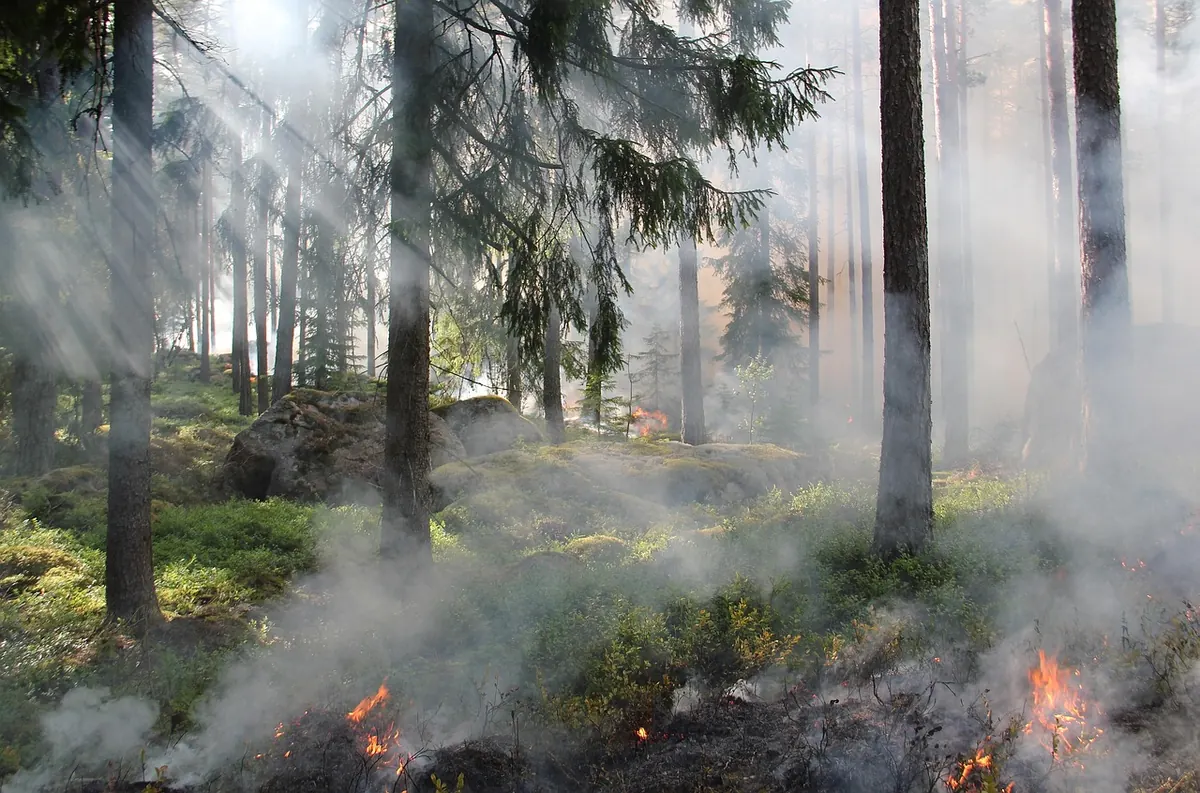
Fire is the traditional fenland tool. Reed litter burns fast and hot, removing the mat that has built up over years, and the rhizomes below usually survive. Done in late winter, on a still day with firebreaks cut around the block and neighbours warned about the smoke, it is a quick way to reset a compartment.
The catch is what fire takes with it. A hot burn over dry peat can scorch into the peat itself, and it removes the litter layer that reedbed invertebrates, hibernating insects and small mammals rely on. So burn rotationally, never the whole bed, and keep the burns small. Where you can, burn the cut material in cool heaps rather than the standing crop: you shift the litter without cooking the ground. Never burn standing reed in the nesting season, and check the ground afterwards for smouldering peat.
Grazing: what hooves can do that mowers cannot
Hardy breeds such as Konik ponies and Highland cattle are used on many fen reserves, with cattle or water buffalo on wetter ground. Grazing does things a machine cannot. Hooves poach the surface and open up bare patches and shallow pools, animals push through dense litter, and dung feeds a whole community of invertebrates. At low densities, grazing creates tussocks and uneven ground: exactly the micro-habitat that insects and amphibians want.
Timing and stocking
Autumn and winter grazing is safest, because nesting birds are gone and the ground is soft enough for hooves to make an impression. Light summer grazing can maintain structure, but keep numbers low and keep stock out of the best nesting compartments. Overgrazing turns a reedbed into a short, uniform sward, which is just as poor for wildlife as no management at all.
Fencing, water and stock checks
Plan fencing before you plan animals, and give them a clean water supply. Check stock daily, and be ready to move them if water levels rise or a bird starts nesting in the field.
What the wildlife gets out of it
Every technique is really a way of creating variety. Rotational cutting and grazing together deliver the mix that rare species need:
- Bitterns need wet reed with fish-rich pools and channels, plus dense cover for nesting. Cut channels and pools next to standing reed, never through the only good nesting block.
- Bearded tits want tall stems with a deep litter layer to nest in, so leave some compartments uncut for several years.
- Marsh harriers nest in tall, dense reed and hunt over open marsh nearby, which is why grazing the rough grass around a bed matters as much as cutting the reed.
- Reed warblers, reed buntings and water rails use the awkward in-between ground: wet edges, scrubby fringes, shallow water with tussocks.
- Invertebrates such as reed beetles, the reed leopard moth and the fen raft spider depend on litter, standing stems and clean water. Leave uncut strips and a taller stubble for them.
Putting the three together
Few reedbeds are managed with one tool alone. A typical reserve mows the bulk of the reed on rotation, grazes the wetter margins and the rough grass beyond, and burns the arisings in small heaps. None of it works without water, though. Keep levels high enough to flood the reed roots in summer, allow some seasonal drawdown, and cut the occasional foot drain to keep pools and channels open. Water and structure are the two levers you have; everything else is detail.
Managing reed on your patch: first steps
If you are looking at a reedbed of your own, start slowly and keep records. What you did, where, and when is the most useful information you will ever have.
- Walk the site and map it. Note the ages of reed, where the water sits, where the pools are, and which species you see.
- Protect the best bits first. Decide which compartments will be left alone this year.
- Plan a rotation. Three to seven years is a sensible range; write it down and stick to it.
- Cut in late winter, and walk the block for nests before you start the machine.
- Deal with the arisings properly, or the work is half wasted.
- Graze lightly, fence well, and check animals every day.
- Check designations before you start. If the site is a SSSI, SAC or SPA, you will usually need consent from the statutory body (Natural England, Natural Resources Wales or NatureScot) before cutting, burning or changing water levels. Your local Wildlife Trust or the RSPB will give practical advice.
Then watch what happens. A freshly cut compartment looks brutal in February and full of life by June. That is the whole trick: disturbance, in the right place at the right time, is what keeps a reedbed worth having.
Photo: Ylvers / Pixabay