Marsh Haven is not a place you visit in your best trainers. The paths are soft, the boardwalk can be slick, and weather over open water changes faster than any forecast admits. That is precisely why a first visit rewards a bit of preparation. None of it is complicated: boots that keep water out, a coat you can actually move in, binoculars you can hold steady, and a bag packed so you are not hunting for a glove in a stiff breeze. Print the list below, tick it off, and leave it in the car for next time.
Start With Your Feet
Footwear decides whether your first visit feels like a wander or a wade. Wetland ground is rarely dry, and even in a settled spell the shaded stretches of path stay muddy for days.
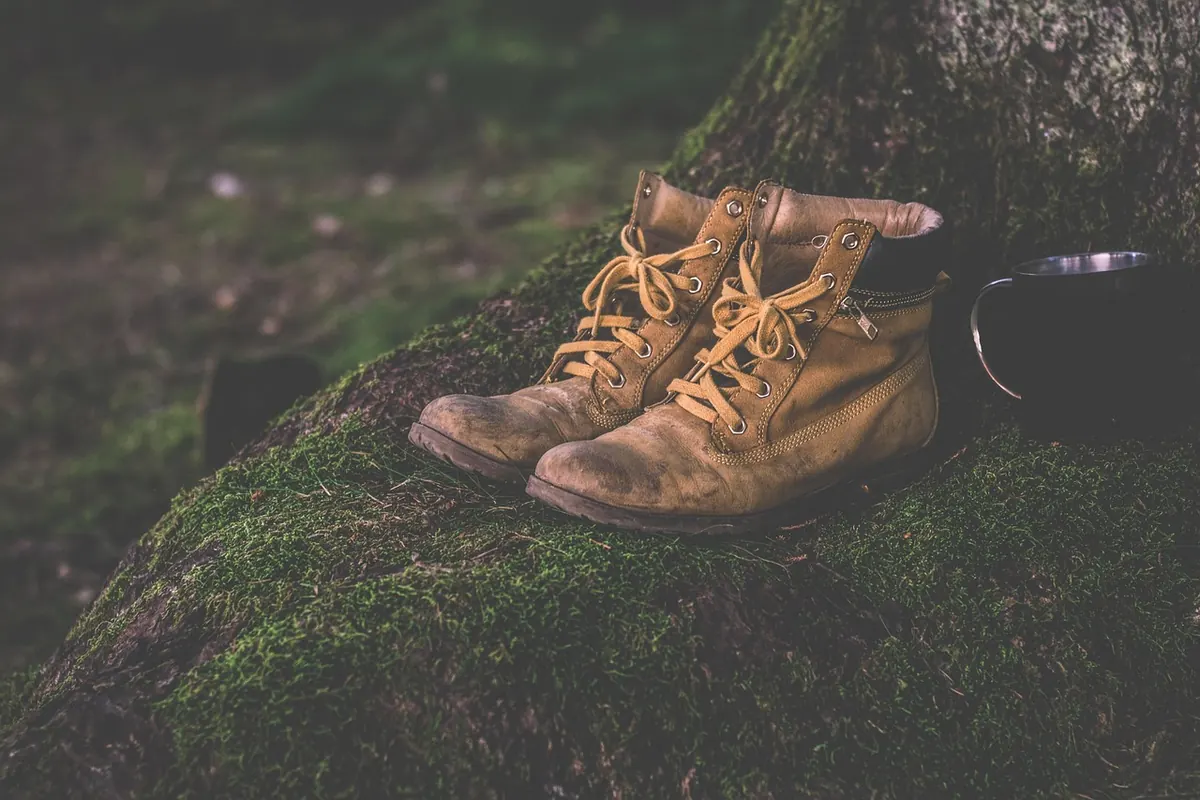
Waterproof walking boots with a deep tread are the single best choice. They support your ankles on uneven ground, keep water out when you misjudge a puddle, and stay comfortable for the two or three hours you will inevitably spend walking further than you planned.
Wellington boots have their place — the worst muddy approach to a hide, for instance — but they are poor company over distance. There is little ankle support, feet overheat, and after a kilometre you will feel every step. If wellies are what you own, wear thick wool socks and keep your walking shoes in the car for the drive home.
Trainers are fine only if the reserve is genuinely dry and you intend to stay on the boardwalk. Leave sandals and canvas shoes at home. Bring a spare pair of socks in a plastic bag; dry feet on the way back matter more than most people expect.
Layers Beat One Big Coat
A wetland day can contain sunshine, drizzle, a cold wind off the water and a warm hide within the same hour. One heavy coat cannot cope with that. Three thin layers can.
- A base layer that moves sweat away from your skin
- A fleece or light jumper for when you stop moving
- A windproof, waterproof shell with a hood
Add waterproof trousers. They take up almost no room in a bag and turn a shower from a day-ending event into a minor inconvenience. A hat earns its place in every season — a brim for sun, a warm one for wind. Thin gloves are worth packing from autumn through spring, because hands holding binoculars get cold faster than hands in pockets.
Dress quietly
Rustling fabric and bright, flapping clothing disturb birds more than most visitors realise. If you have a quiet outer layer, wear it. Keep colours muted, move slowly, and speak in a low voice near hides and hedgerows. The reward is birds carrying on as though you are not there.
Binoculars: What Actually Helps
You do not need expensive optics for a first visit, but you do need something usable. Magnifications of 8x or 10x suit wetland watching well; the 8x option is easier to hold steady, which matters more than extra reach when your arms are tired. Check the strap before you leave the house — a strap that digs into your neck will quietly stop you using them.
Technique makes a bigger difference than price. Do not try to walk and look at the same time. Stop, plant your feet, tuck your elbows in, and breathe out slowly. Find the bird with your naked eye first, then raise the binoculars to your face without moving your head. Practise on a garden bird or a distant street sign before you come.
Pack a microfibre cloth for the lenses; spray and damp air will fog them. A small notebook is useful for jotting down what you saw and where. Telescopes are heavy and unnecessary on a first trip, and phone cameras will not reach across a reedbed.
The Daypack: A Printable Checklist
- Waterproof boots, plus spare socks in a bag
- Waterproof jacket with hood and waterproof trousers
- Warm mid layer for sitting still
- Hat; gloves in cool months; sun cream in summer
- Binoculars, strap and lens cloth
- Water — at least a litre for a half day
- Flask and lunch; check visitor centre opening times before relying on a café
- Printed trail map or reserve guide, and a charged phone
- Insect repellent in summer
- Any personal medication, plasters and blister pads
- A carrier bag for wet kit and a small towel
Safety and Comfort on the Boardwalk
Wet timber is slippery, particularly in shade and after frost. Take short steps, keep your hands free, and use handrails where they exist. Resist the temptation to step off the boardwalk for a better view: reedbeds hide deep water and soft ground that will not hold you.
Check yourself for ticks after walking through longer grass. Remove any you find with fine-tipped tweezers or a proper tick tool, and if you feel unwell in the days afterwards, speak to a pharmacist or your GP. In summer, sun cream and a hat matter as much here as on a beach; there is little shade across open water.
Hides may sit a kilometre or more from the car park, and a route that looks short on paper takes longer when you stop to look at everything. If you have limited mobility, ask staff at the visitor centre which hides and paths suit you best. If you have a heart or lung condition, or you are recovering from illness, check with your GP before planning a long day out.
Check the Weather, Then Check the Water
Look at wind speed and gusts, not just rain. Strong gusts make exposed boardwalks unpleasant and binoculars almost impossible to hold steady. Wind direction tells you which hides will be sheltered and which stretch of water the birds will be using.
If the reserve is tidal, tide times shape what you will see, so check them alongside the forecast. It is also worth checking the reserve's website or noticeboard for flooded paths, closed hides or maintenance work. After heavy rain, give the site a day to drain.
Your First Hour at Marsh Haven
Start at the visitor centre. Ask what has been seen that morning, which paths are dry, and where the quiet hides are. Walk roughly half the distance you think you can manage, then sit somewhere with a view and say nothing for ten minutes. Most of what a wetland shows you arrives in those pauses.
Keep the packed bag by the door at home. A first visit is rarely the last one, and the second trip is far better when it begins five minutes after you decide to go.
Photo: LUM3N / Pixabay