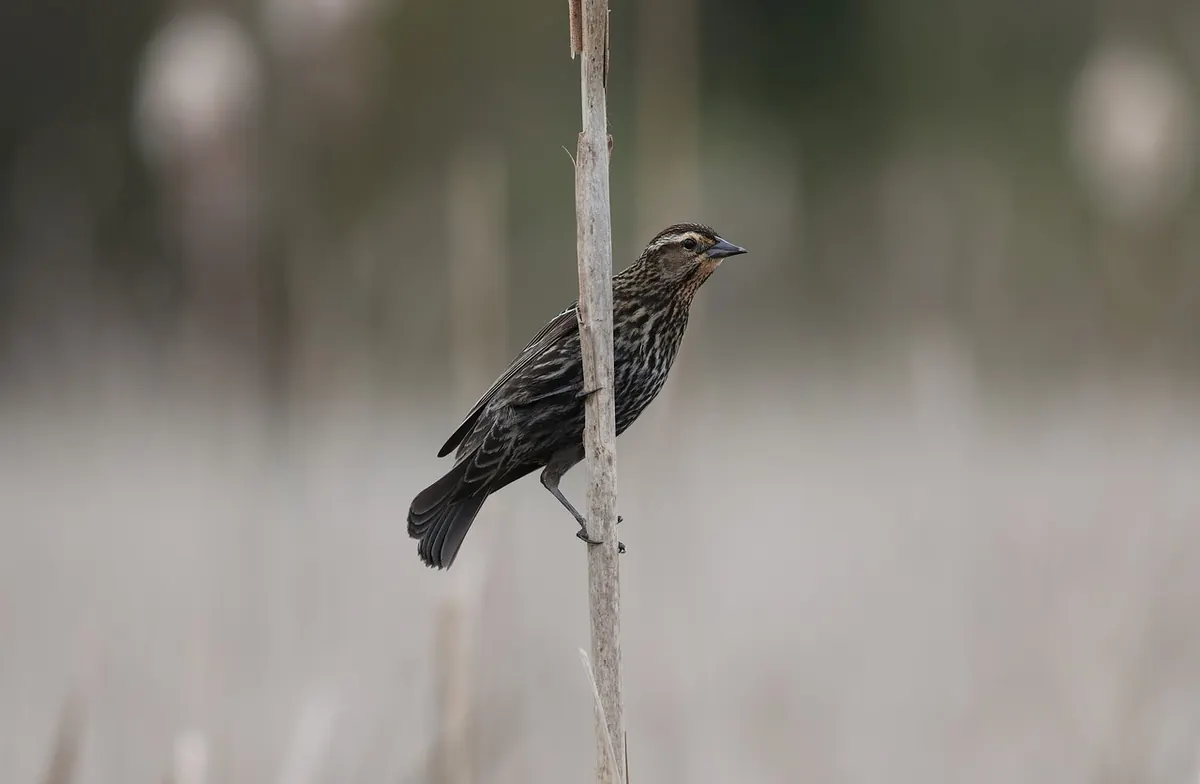
Two wetlands a few miles apart can hold almost entirely different wildlife. A rain-fed bog on the moors, acid and short of minerals, gives you cottongrass, sundews and nesting waders. A spring-fed fen in the valley below might carry saw sedge, marsh helleborine and dragonflies the moor never sees. Marsh, swamp, bog and fen are not four words for the same place. They are four habitats, sorted by two questions: where the water comes from, and what is dissolved in it. Answer those, and the plants and animals in front of you begin to make sense.
Two questions that sort almost every wetland
The first question is source. Rain is close to pure and carries almost nothing with it. Groundwater and surface water have travelled through rock, picking up calcium, magnesium and other minerals along the way.
The second is chemistry. Water sitting on rain alone is acidic and nutrient-poor. Water that has passed through chalk or limestone is alkaline and richer. That decides which plants can grow, and the plants decide everything else.
A rough field guide: acid wetlands are dominated by mosses, heathers and cottongrasses. Alkaline ones grow sedges, brown mosses and far more flowering plants. Where water is shallow and mineral-rich, reeds and rushes take over. Where it stays wet enough for trees, woodland moves in. Most British reserves are mosaics of two or three of these within a few hundred metres.
Bog: the rain-fed sponge
A bog is fed by rain alone. Nothing flows in, nothing drains out, and the result is waterlogged, acidic and starved of nutrients. Sphagnum mosses cope, and they do the engineering: holding many times their own weight in water, keeping the surface cool and sour, and decaying so slowly that peat builds up beneath them.
Britain has two main sorts. Blanket bog covers upland slopes where rain keeps everything saturated. Raised bog swells into a domed mass of peat in lowland basins. Both show the same pattern of hummocks, hollows and pools.
Look for cottongrass, heather, cross-leaved heath, bog asphodel and round-leaved sundew, which catches insects because the ground will not feed it. Dunlin, golden plover and curlew nest on open blanket bog; large heath butterflies and black darter dragonflies work the wet hollows; adders and common lizards bask on the drier edges.
Fen: the mineral-rich seep
A fen is fed by groundwater or by water that has run through the surrounding land, so it is mineral-rich, often alkaline where chalk or limestone is involved. It still forms peat, mostly from sedges and brown mosses, but the chemistry is nothing like a bog's. Fens are rarer than people assume, and the surviving fragments are small and isolated.
This is where the flowers appear: saw sedge, black bog-rush, marsh helleborine, grass-of-Parnassus, fen orchid. In the Broads, fens hold swallowtail butterflies and the Norfolk hawker dragonfly; the Cambridgeshire fens have the fen raft spider, hunting across floating rafts of vegetation. Winter brings wildfowl, with snipe and redshank in the wetter pools.
A simple test: if a wetland looks flowery in July, with sedges and plenty of colour, it is probably fen. Bogs are green, red and brown. Fens are green, gold and purple.
Marsh: the wet, grassy shallows
Marsh is the loosest term of the four and the most familiar. It covers shallow, mineral-rich ground that is wet for most of the year: floodplains, ditches, grazing marsh, and the reedbeds fringing lakes and estuaries. Soils are usually mineral rather than peaty, and water levels rise and fall with the seasons.
Reeds, rushes, sedges and tall grasses dominate, with marsh marigold, ragged robin, cuckooflower and water forget-me-not filling the gaps in spring. Rich water and dense growth make marshes wildlife factories. Reedbeds hold bitterns, marsh harriers, reed warblers, water rails and reed buntings, and cuckoos and hobbies hunt over them in summer. Saltmarsh on the coast is the same idea, with salt-tolerant plants and twice-daily tides.
Swamp: the flooded woodland
In Britain we usually say wet woodland or carr, and save "swamp" for warmer parts of the world. The habitat itself is exactly what the name suggests: ground waterlogged or under standing water for much of the year, with trees growing out of it. Alder and willows are the classic species, with downy birch on the drier margins.
Carr is dark, tangled and awkward to walk through, which is precisely why it matters. Fallen trunks and tussocks make cover, and shade keeps the water cool. Willow tits and lesser spotted woodpeckers work the dead wood, otters move along the channels, and Daubenton's bats hunt low over open water. Royal fern and marsh fern grow in the wetter hollows, and where beavers have been reintroduced, wet woodland is among the habitats that respond fastest.
Why the differences matter for wildlife
Each habitat offers a different mix of water, chemistry, structure and food, so each supports a different cast. Change one ingredient and the wildlife changes with it. Drain a fen and the alkaline flush stops; sedges lose their advantage and scrub or carr moves in. Plant conifers on a bog and the shade and drying kill the sphagnum. Much wetland conservation comes down to water: blocking drains, restoring flows, and protecting the chemistry the plants depend on.
A quick way to name what you are looking at:
- Spongy peat, no trees, acid pools, cottongrass: bog.
- Flower-rich sedge beds fed by clear groundwater: fen.
- Reeds and rushes in shallow water on mineral soil: marsh.
- Trees standing in dark water, tussocks and fallen wood: carr, or swamp.
Getting to know a wetland
You do not need a permit or a laboratory to tell these habitats apart. Look down first: springy peat underfoot means bog or fen, while firm mud suggests marsh. Watch the water. Still and brown-black with no obvious inlet is probably rain-fed; clear and moving, or seeping from a bank, is mineral-fed. Check the mosses: big, pale, starry sphagnum says acid, while slimmer brown mosses among mixed sedges say alkaline. Then look up. A few willows at the edge are nothing much; a closed canopy over standing water is carr.
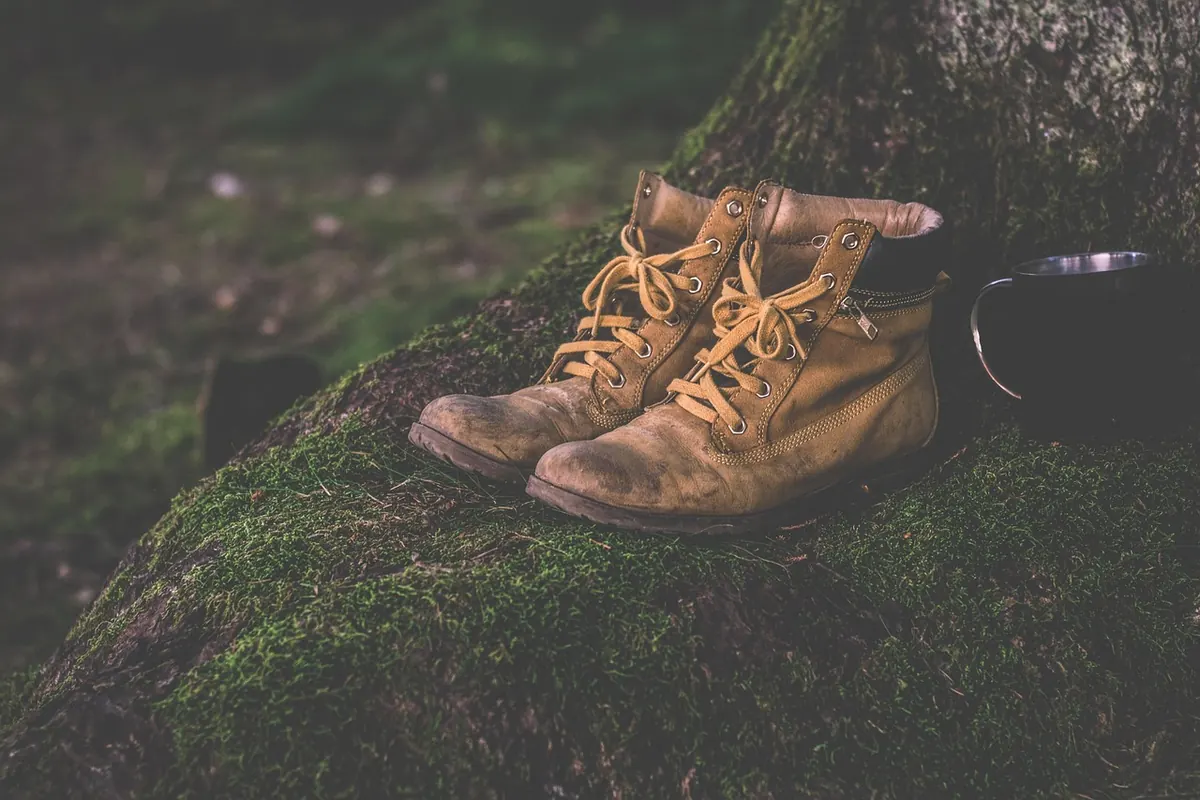
On a visit, stay on the boardwalk and waymarked paths, especially from spring to midsummer. A bog surface is far more fragile than it looks, and repeated footprints can crush the sphagnum and start a drainage channel. Keep dogs on a short lead near breeding birds and grazing stock, wear boots you do not mind ruining, and use binoculars rather than your feet. Pick nothing, and report pollution, dead fish or a sudden drop in water level to reserve staff or your local wildlife trust.
If you manage land and fancy a pond, a wet corner or a new scrape, ask for advice before you dig. Wetland creation works well where the ground suits it and disappoints where it does not, and any work affecting a protected site, a watercourse or peatland will usually need permission from the environment body for your nation. A county ecologist or wildlife trust will tell you what is realistic on your patch, often at no cost.
Photo: Veronika_Andrews / Pixabay