Dusk at the estuary hide is when identification gets honest. The light drains, colour goes with it, and you are left with shapes against a grey sky and calls carrying over the mud. That is not a disadvantage. Get a handful of silhouettes and sounds into your head and you will name more waders in poor light than many people manage in full sun with a telescope.
Marsh Haven's scrapes and the nearby tidal edge are good training ground, because you get the same birds at close range and then again at 300 metres. The trick is to work in the same order every time: bill, stance, flight, then voice.
Bill length and curve: the first cut
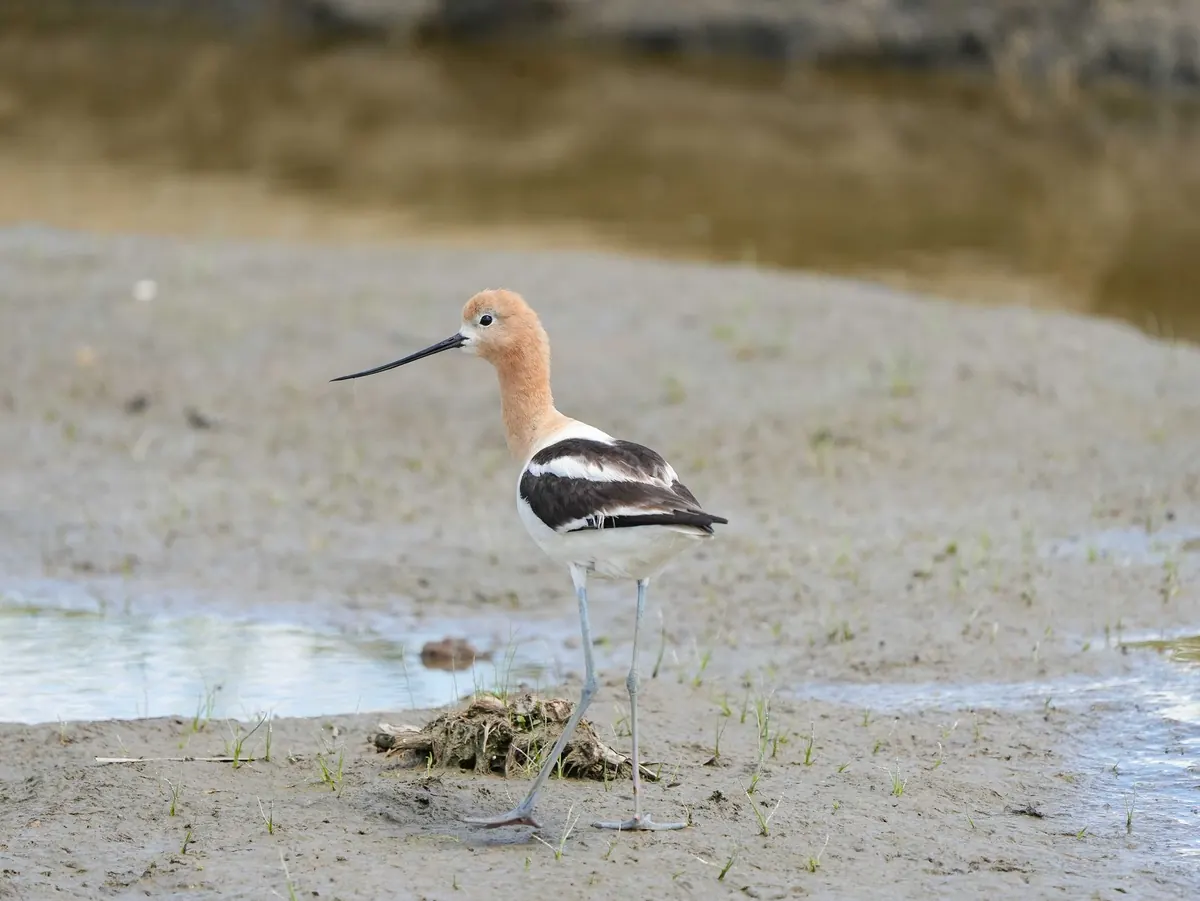
Before you look at anything else, look at the bill in profile. It usually puts your bird into a family, even if it does not yet give you the species.
Long and down-curved. Think curlew first. It is a big, heavy wader with the longest bill on the mud, and the curve is even and sweeping, as though drawn with a compass. Whimbrel is smaller and neater, with a shorter bill that bends more sharply in the last third. If the bird looks like a curlew that has been shrunk and tidied, that is your prompt.
Long and slightly up-tilted. Godwits. Bar-tailed godwit has a gentle upward sweep and a shorter bill than black-tailed, which is straighter and longer and often looks as though it belongs on a slightly taller bird.
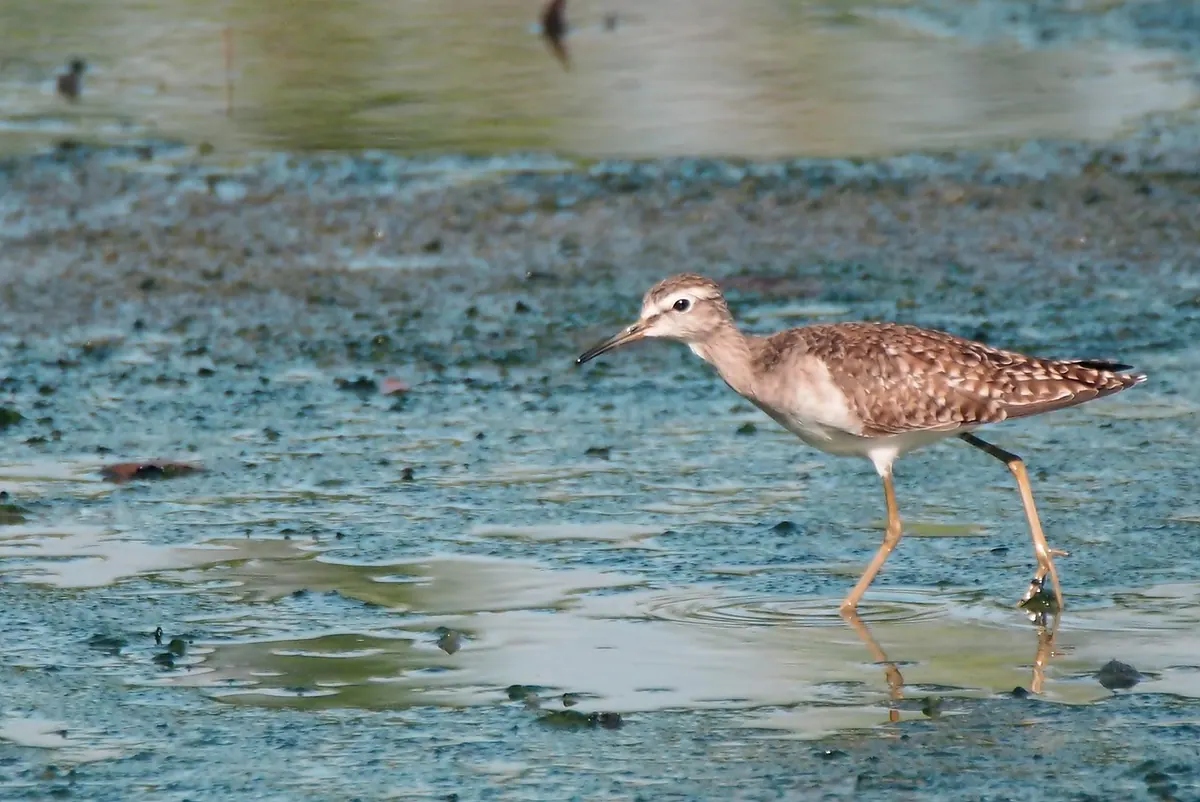
Straight, fine and medium length. Redshank, greenshank and ruff sit here. Greenshank's bill tips very slightly up at the end; redshank's is dead straight and looks a touch shorter in proportion to a rounder head.
Short and stubby. Dunlin, knot, sanderling, ringed plover and turnstone. At this point the bill stops being useful and body shape takes over.
Oystercatcher breaks every rule: a heavy, straight, chisel-like bill on a pied bird. Nothing else in Britain looks remotely like it.
Stance, legs and feeding action
Leg length relative to body depth is the fastest way to separate similar-sized birds. A curlew stands tall and leggy with a small head, giving it a slightly hunched, top-heavy outline. A knot is dumpy and low, almost no visible leg, with a compact body like a rounded pebble on the waterline.
Watch how the bird feeds, too. Dunlin stitch their way across the mud with quick, busy, downward probes. Sanderling sprint along the tideline ahead of the advancing wave, stopping dead, then running again, rarely wading deeper than their ankles. Ringed plover use a run-stop-run rhythm with a sideways shuffle and a foot-tremble. Greenshank stalk slowly and deliberately, picking from the surface rather than probing deep.
Those three seconds of behaviour often settle an identification that fifteen minutes of staring at plumage would not.
Flight: wingbeats, flocks and white wing bars
Waders in flight reward patience, because the pattern of the flock tells you as much as the birds inside it.
- Curlew: slow, deliberate wingbeats, bowed wings, often in loose lines rather than tight bunches.
- Lapwing: broad, rounded wings and an oddly floppy, tumbling action. In a good light you will catch the black-and-white upperwing.
- Redshank: flickering, slightly erratic beats with a clear white trailing edge to the wing. Greenshank shows the same white wedges but on a bigger, steadier bird.
- Golden plover: fast, swept-back wings in tight, wheeling flocks that flash and vanish as they turn.
- Dunlin: dense, twisting clouds over the mud, changing direction as one.
- Oystercatcher: direct and rapid with a bold white wing bar, usually announcing itself.
- Totals to check: black-tailed godwit shows a broad white wing bar and a white rump wedge; bar-tailed godwit has neither.
Calls: build a small sound library
You do not need to recognise forty calls. Six will cover most days on a British marsh.
- Curlew — a rising, mournful "cur-lee", often the first thing you hear at dusk.
- Whimbrel — a rippling seven-note tittering whistle, quick and even.
- Redshank — an impatient three-note "tew-tew-tew" from anything disturbed.
- Oystercatcher — a piercing, insistent "kleep kleep" that carries across the whole estuary.
- Lapwing — the wheezy "pee-wit" that gave the bird its name.
- Dunlin — a rolling, slightly grating "kree" from birds moving low over the mud.
Two cautions. First, redshank and greenshank alarms overlap enough to mislead the unwary: use the call as a prompt to look, not as proof. Second, waders have more than one call, and alarm notes differ from contact calls. A single recording is not the whole vocabulary.
Confusion pairs worth learning on purpose
Curlew and whimbrel
In silhouette, compare head pattern and bill. Whimbrel's crown is striped, with a dark stripe through the eye and a paler central line; curlew's head is plainer. Bill length is the reliable measure, with the caveat that female curlews out-bill males considerably.
Redshank and greenshank
Watch the wings. Redshank is the smaller, restless bird with a flickering flight and a white trailing edge. Greenshank is longer-legged, slower, and often feeds in slightly deeper water, with a brighter, ringing call.
Dunlin, knot and sanderling
Knot is the chunky one with a medium bill and almost no leg showing. Dunlin is smaller with a slightly down-curved bill and a busy, stitching feeding action. Sanderling is pale, short-billed and always running the tideline. If it is chasing the surf, it is sanderling.
A practical routine for your next visit
Turn up about two hours before low tide and settle at a roost rather than chasing birds along the mud. Then run through the same sequence every time.
- Wait for the flock to stop moving. Restless birds are hard to read.
- Name the bill shape before anything else.
- Judge leg length against body depth, not against the bird next to it.
- Note the flight style and any white in the wing or rump.
- Listen for a call and write it down in your own words — "three flat whistles", "rising two-note" — rather than trying to spell it.
- Check your notes against a field guide or a recording at home, while the memory is fresh.
Keep a running list of the calls you can recognise without looking up. It grows faster than you expect, and it is the single most useful thing you can carry on a grey afternoon when the colour has gone and the mud is full of small brown birds.
Photo: Rajesh S Balouria / Pexels